The transformation of China’s urban consumer
17 November 2025 – Brasserie De Utrechter
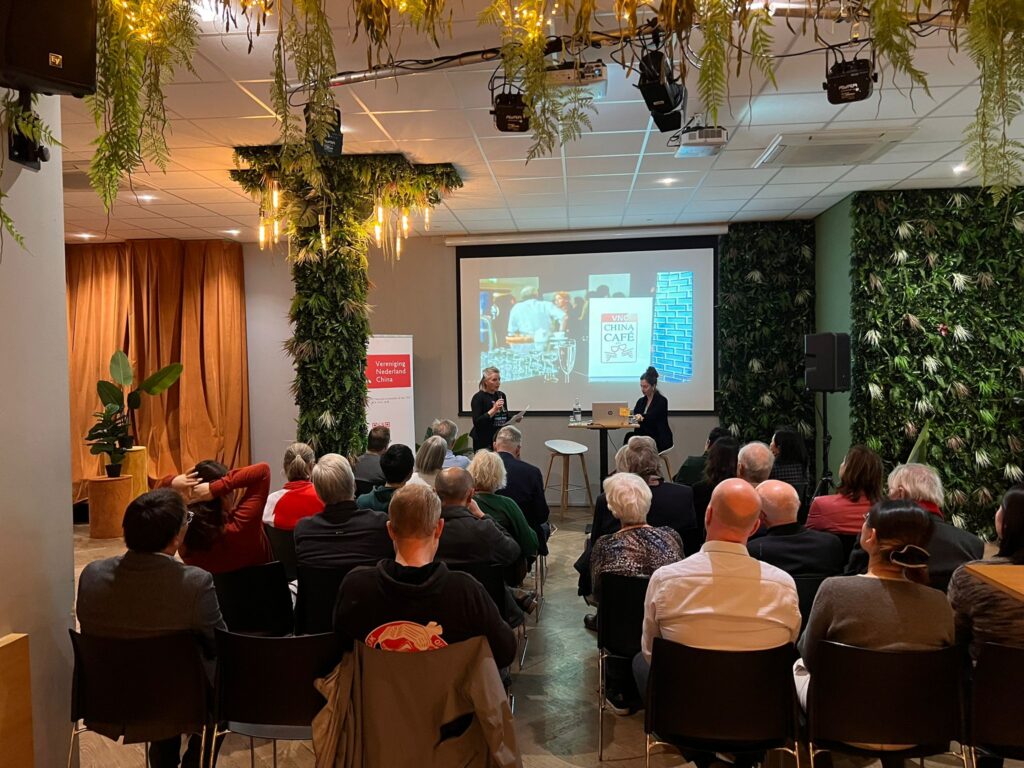
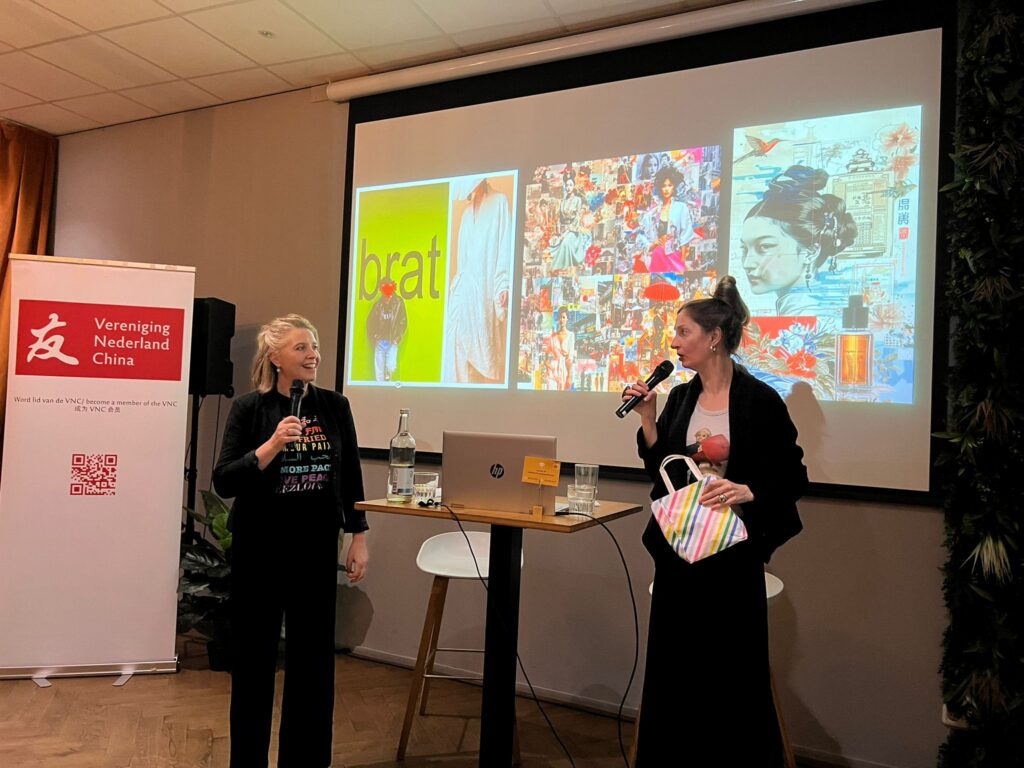
During the China Café, organized by VNC, entitled Finger on the Urban Pulse, the attendees were given a rare and vivid insight into the perception of young urban consumers in China. Our guest was Elsbeth van Paridon, a Beijing-based sinologist, journalist at Beijing Review and founder of Chinatemper.com. It closely follows developments in one of the world’s fastest changing consumer markets.
In conversation with VNC board member Lianne Baaij, Van Paridon painted an energetic and detailed portrait of China’s new urban middle class: confident, creative, emotionally driven and deeply rooted in a renewed sense of cultural identity. For Dutch entrepreneurs, marketers and anyone doing business with China, the session offered valuable insights.
The new Chinese consumer: confident, culturally anchored and identity-driven
China’s urban middle class has changed dramatically in just a decade. What started as a search for basic comfort has grown into a pursuit of identity, meaning and cultural home. Central to this transformation is Guochao (国潮), ‘national tide’: started as a design movement in which traditional Chinese culture is combined with modern styles, now fanned out into many domains of daily life. Important trends in this are:
- Guochao is reshaping fashion, lifestyle, food and design by connecting tradition and modernity.
- Brands like Li-Ning and drama series like Shanghai Blossoms reflect a confident generation reconnecting with its heritage.
Young consumers are looking for brands that are emotionally aligned with their values, not just products that exude wealth. - From school uniforms becoming fashion trends to Chinese EVs replacing Western luxury logos, status is now expressed through authenticity and cultural pride, not labels.
Emotional consumption: pets, avatars, collectibles and community
More and more urban young people are breaking the traditional life path of getting married and having children. Not being in a relationship and remaining childless is no longer exceptional. Partly because of these changing patterns, Van Paridon described a market in which emotion is at least as important as functionality:
- AI avatars that serve as companions for singles, although the authorities are critical of encouraging such relationships.
- The pet market is growing explosively, with pets as emotional pillars in the busy city life.
- Collectibles such as digital and cute gadgets act as forms of connection in online peer communities.
- Platforms such as RED (Xiaohongshu) and Douyin stimulate ‘buddy culture’, where consumers find each other through outdoor activities, fashion meets, ethnic travel shoots and shared rituals.
Brands that understand this emotional undercurrent – and don’t just focus on demographics – know how to connect best with this generation.
Health, fitness & wellness: one of China’s fastest growing sectors
Since COVID, health has become a structural trend:
- Gyms and group classes are full; Food supplements are prominent at trade fairs.
- Weight loss clinics have been receiving official support since 2023.
- Saunas and wellness services have become affordable lifestyle musts.
- Families and individuals alike see physical and mental well-being as an essential part of modern life.
For foreign brands, this sector offers clear growth opportunities, provided that it operates in a culturally sensitive way.
Education and vocational training: signals for future markets
China’s changing educational landscape provides important clues:
- Vocational training around EVs, drones, the low-altitude economy and rural revitalization are booming.
- New fields of study such as elderly care, marriage services and funeral management reflect demographic and social needs.
These top-down educational reforms show where future markets will grow.
For companies, occupational and training trends are early indicators of where consumer and service markets are heading.
Tourism, digital influence and immersive experiences
The travel and leisure sectors are strongly shaped by digital communities:
- More than 300 million people have participated in ice and snow sports since 2022.
- Ski resorts, outdoor travel, and ethnic tourism are popular with the growing upper middle class.
- Local pop-ups, immersive installations and travel shoots turn culture into commercial opportunities.
- Influencers create powerful microcultures around international cuisine, fashion or niche hobbies.
For Western brands that want to stay relevant, understanding this ecosystem of experience-first consumption is crucial.
Generational and gender differences: a market with many microcultures
Consumption patterns vary greatly by age and gender:
- Young people express their individuality boldly, while older generations remain more conservative.
- Men participate in fashion and cultural expression much more than Western stereotypes suggest, especially in cities like Shanghai.
- Cultural friction persists: parents often see young people’s spending patterns as excessive or irrational.
Understanding these nuances is essential for targeted brand and product strategies.
What Western Brands Need to Understand: Authenticity Over Appropriation
One of Van Paridon’s strongest warnings was about cultural intelligence:
- Chinese consumers resolutely reject superficial use of cultural symbols, such as generic dragons or snakes.
- Successful brands delve into immersive stories and respectful interpretations of cultural motifs.
Copying Western trends is a thing of the past; China finds and celebrates its own aesthetic voice.
Authenticity, community and cultural empathy are not options, but strategic necessity.
Conclusion: a market too dynamic to ignore
This China Café made it clear: China’s urban consumer landscape is developing faster than ever and in directions that Western companies cannot afford to miss.
From identity-driven fashion to emotional consumption and wellness, this market is shaped not only by economics, but also by values, belonging and cultural self-confidence.
For Dutch companies, understanding the people behind the trends is key to meaningful engagement. As Elsbeth van Paridon emphasized: staying relevant requires immersion, curiosity and constant cultural listening.
VNC would like to thank Elsbeth van Paridon and Lianne Baaij for an inspiring and valuable session.