by Silvia Marijnissen
After some silence around Chinese literature in translation, this autumn offers plenty to enjoy once again. Here’s an overview of this year’s wonderfully diverse selection:
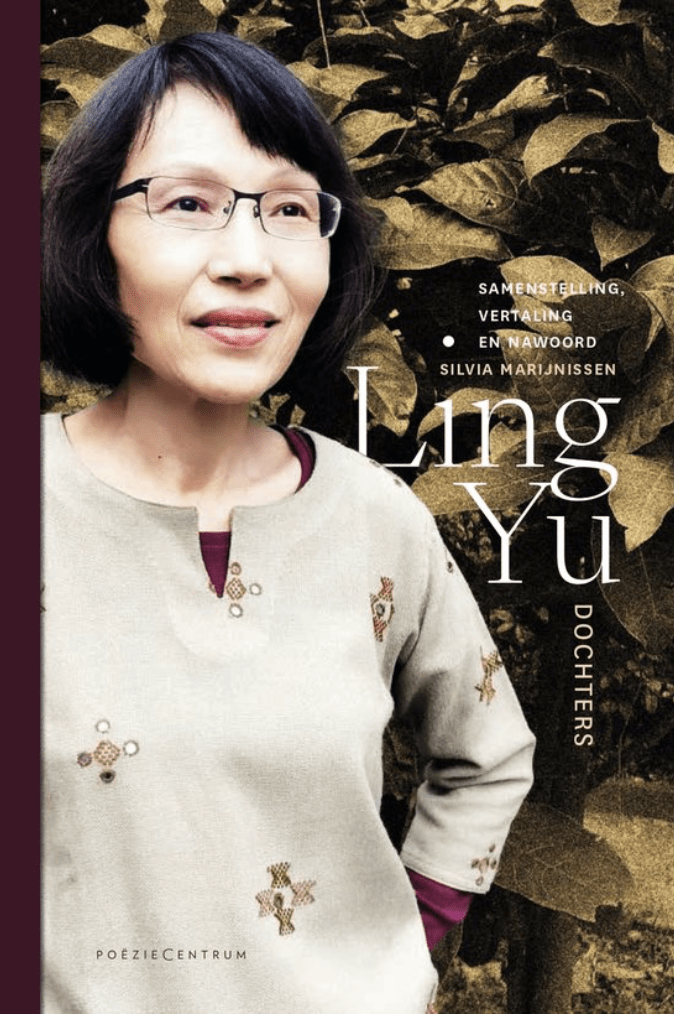
March brought poetry by Ling Yu, Dochters (
Daughters)
, translated by Silvia Marijnissen.
“This is a mature poet who knows how to convert (feminist) desire and unfulfillment into clear language, with a sober and resigned awareness that it doesn’t all happen by itself. This patience is also evident in her poems, in which she turns against capitalism and longs for a pre-industrial world. No resentment, but a melancholy fueled equanimity. Even an event of nothing inspires her: ‘The conductor cuts my ticket without knowing why / he says thank you and have a good trip / exactly what I want to say to you’. ‘Without knowing why’: what a simple and striking observation about human actions. There are countless of them in this catchy collection.”
According to Rob Schouten in newspaper
Trouw
: Ling Yu writes soberly about patriarchal Taiwan: ‘Well goodbye then freedom’ | Trouw
Dochters – Poeziecentrum
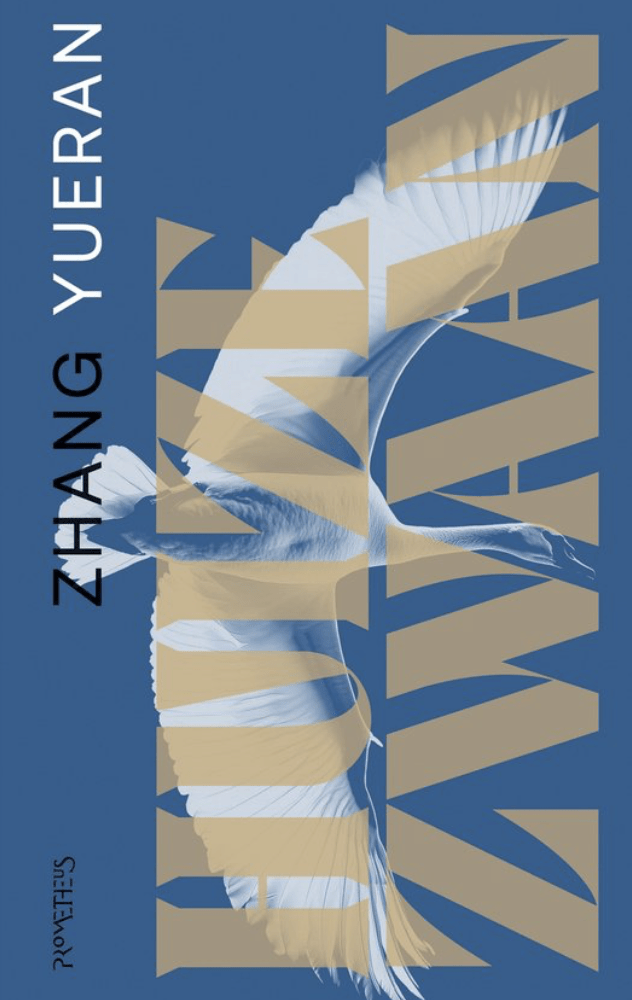
In August, the new novel,
Huize Zwaan
, by the popular, widely acclaimed Zhang Yueran, was published, translated by Annelous Stiggelbout.
De Volkskrant
and
Trouw
were already very enthusiastic. See here:
In ‘Huize Zwaan’ everything is on the table at the same time, just like a Chinese meal | de Volkskrant
:
“Appearance and being, being and non-being: beautiful how these Taoist notions are woven throughout the book, as is the cyclical movement of time, culminating in the image of the clown, who appears at the beginning and end of the book and finally sardonically whistles everyone and himself back into his role: ‘He grinned with a mouth that already reached his ears as he waved vigorously at the camera.’ Goodbye, children, see you next year!'”
Nanny Yu Ling has to build a life of her own, but how do you do it? | Trouw:
“Zhang writes well, meticulously, she portrays her characters with flair. She subtly tells about origin and about the battles that women fight, a struggle that transcends the class differences in her novel.”
Huize Zwaan – Prometheus
On 12 September, Mark Leenhouts was awarded the Nijhoff Prize. The jury calls him “an advocate of Chinese and Dutch: his work opens up worlds, connects perspectives and enriches the literary field.” The entire jury report and the laudation by Fresco Sam Sin can be read here:
Cultuurfonds Translation Prize Martinus Nijhoff – het Cultuurfonds
Read or reread Mark’s translations of Han Shaogong, Su Tong, Qian Zhongshu, Yan Lianke and his last Shi Tiesheng of course.
October 23 Ik bezorg pakketjes in Beijing (
I deliver packages in Beijing)
by Hu Anyan will be released, translated by Silvia Marijnissen.
In 2020, a blog post by Hu Anyan (Guangzhou, China, 1979) about his experiences as a delivery driver in Beijing went viral, leading to the publication of his essay collection
I deliver packages in Beijing
. The book was an instant bestseller in China, became an international sensation and is translated worldwide. After high school, Hu worked in all kinds of low-paid jobs, including as a shop assistant, bicycle salesman, security guard and delivery driver. He disappears every time the work gets too hard or the bosses too bossy, with nothing but a few books by Salinger and Carver. From the pecking order in the workplace to the perfect dose of alcohol for a gruelling night shift, from the Kafkaesque bureaucracy to the ideal layout of a delivery route, Hu sheds light on life at the bottom of the economy with genuine curiosity and dryly humorous humor. His love of literature offers him new perspectives.
Ik bezorg pakketjes in Beijing – De Arbeiderspers
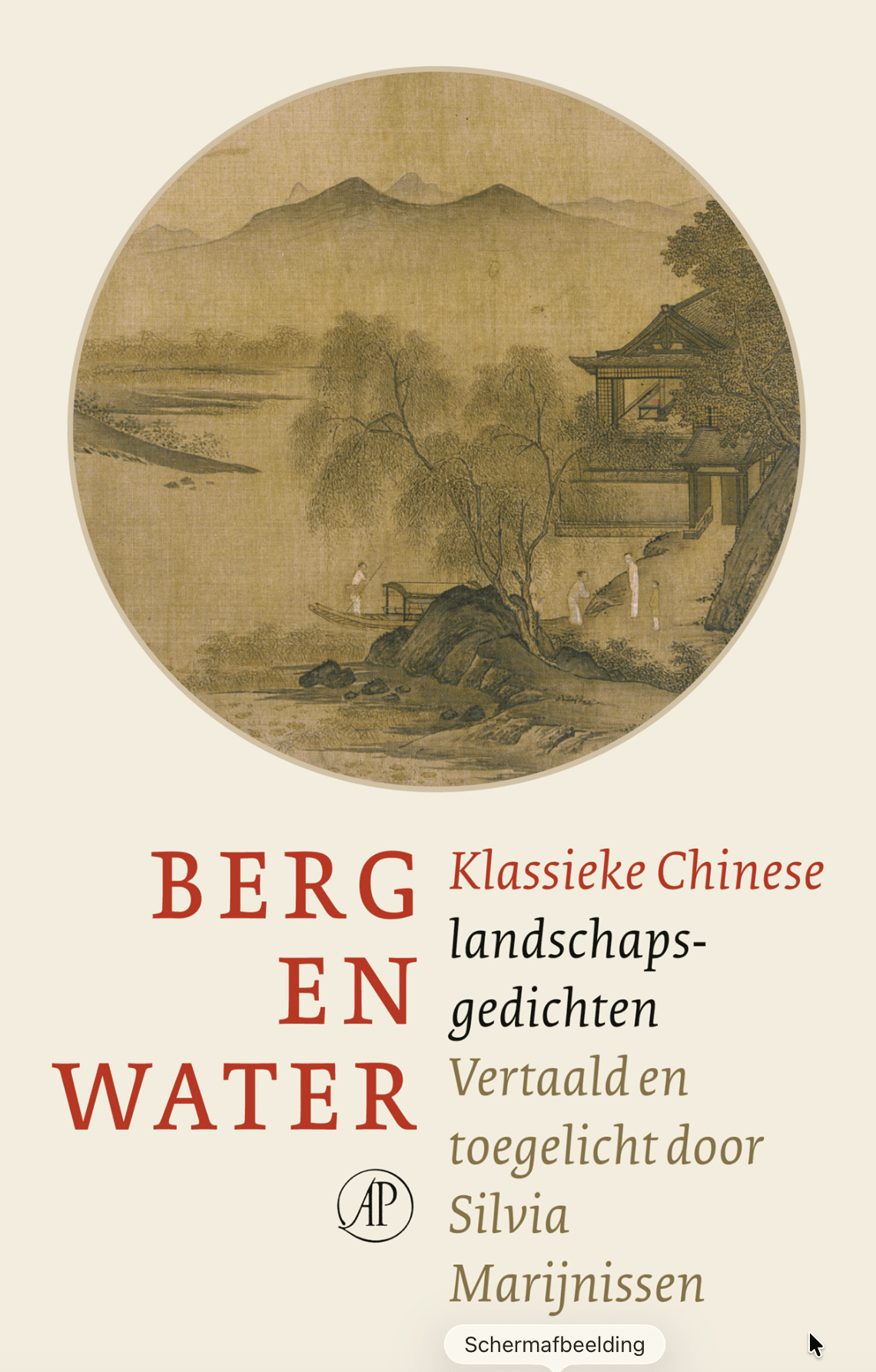
October 30, 2025: after 13 years, a paperback of
Berg en water, (Mountain and Water, classic landscape poetry by seventeen poets)
, translated by Silvia Marijnissen, will be published.
Mountains were seen in ancient China as sacred places where heaven and earth meet. Above all, the mountains (yang) together with the water (yin) form the entire dynamics of the earth: rest and movement. Between mountain and water we find fog and clouds – the emptiness from which everything arises. In these beautiful poems, by Du Fu, Li Bai and Wang Wei, among others, the landscape functions mainly as a mirror of the soul. All possible topics can be discussed: love, death, hermitage, politics, friendship, social problems – or a fly.
Berg en water – De Arbeiderspers
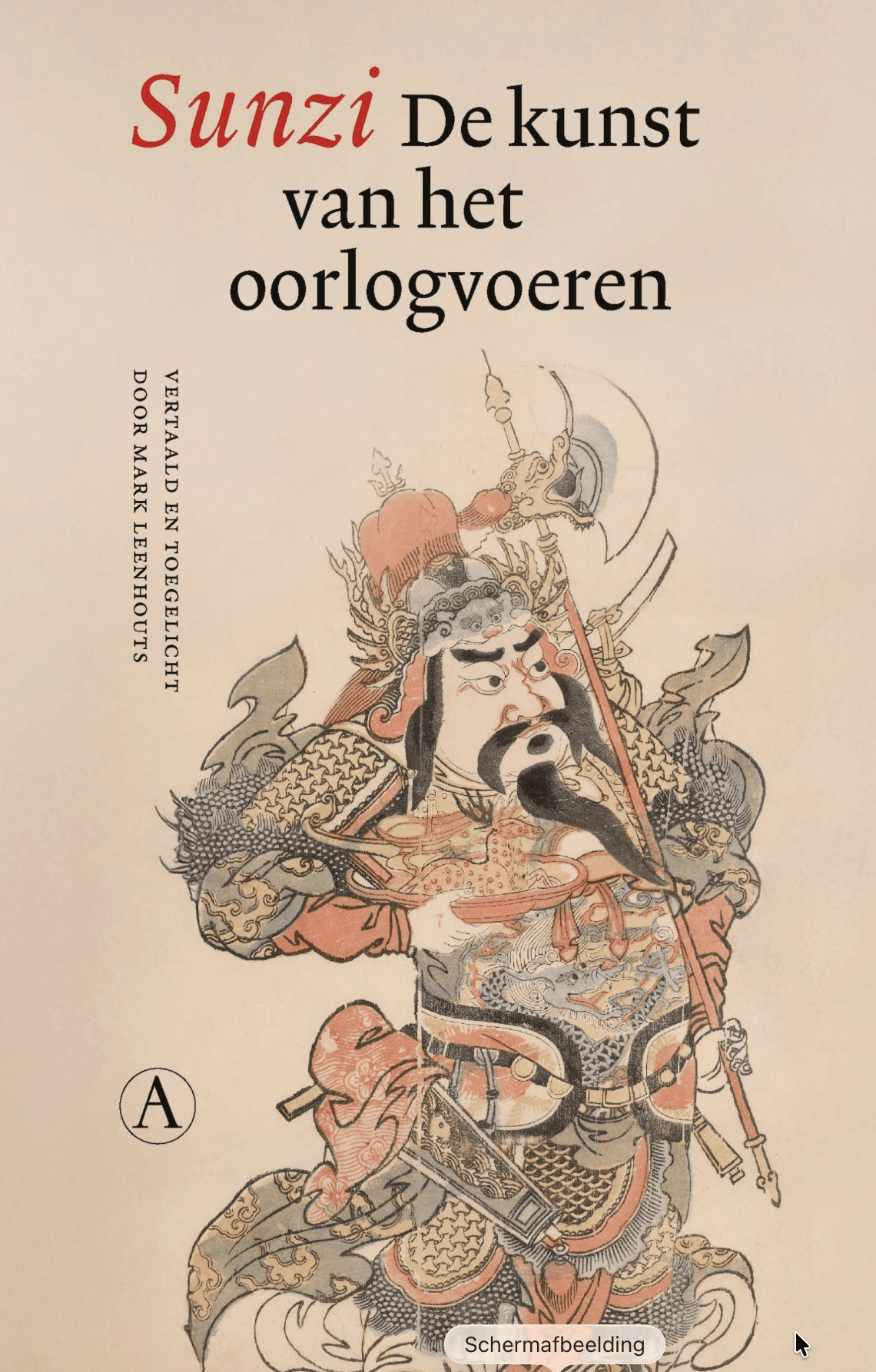
In November we expect Sunzi, De kunst van het oorlogvoeren (
The Art of War)
translated by Mark Leenhouts. For the first time, a complete translation of this famous classic is published.
De kunst van het oorlogvoeren by Sunzi, or Master Sun, is one of the best-known works of the Chinese written tradition and one of the few classic treatises on warfare in world literature. The 2500-year-old text has still not lost its relevance, and that is partly due to the fact that Master Sun is not so much concerned with technical matters such as the training or organization of an army. He takes a higher, conceptual point of view, that of strategies and tactics. The starting point of his argument is even that physical war should in fact be avoided for as long as possible, if only to prevent the waste of strength, people and resources. There is a Taoist, nature-inspired side to that attitude, as well as to the absence of an appeal to Confucian virtue or the heroism of the battlefield.
Sunzi’s
book
has become a classic that survives in widely applicable quotes such as ‘know the other, know yourself’, even outside the military field, given the proliferation of titles such as ‘Sunzi’s martial art for managers’. With this first Dutch translation from Chinese, however, we return to the literary-philosophical source.
De kunst van het oorlogvoeren- Athenaeum
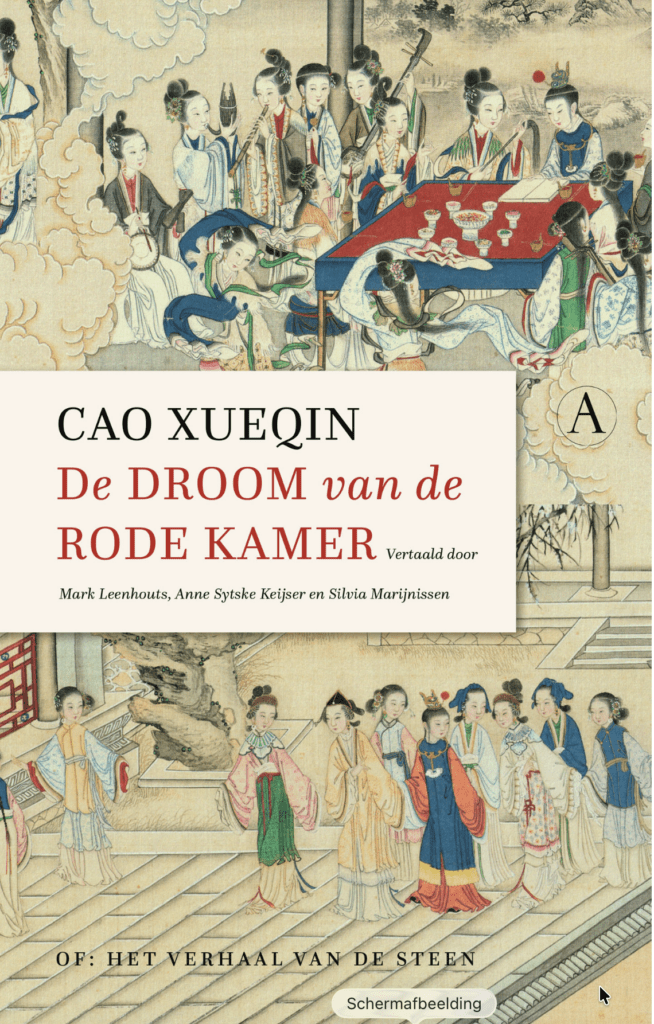
Also in November: the long-awaited paperback by Cao Xueqin, De droom van de rode kamer (
The Dream of the Red Room)
, translated by Anne Sytske Keijser, Mark Leenhouts and Silvia Marijnissen. Available from November 11 for € 60.
De droom van de rode kamer – Athenaeum
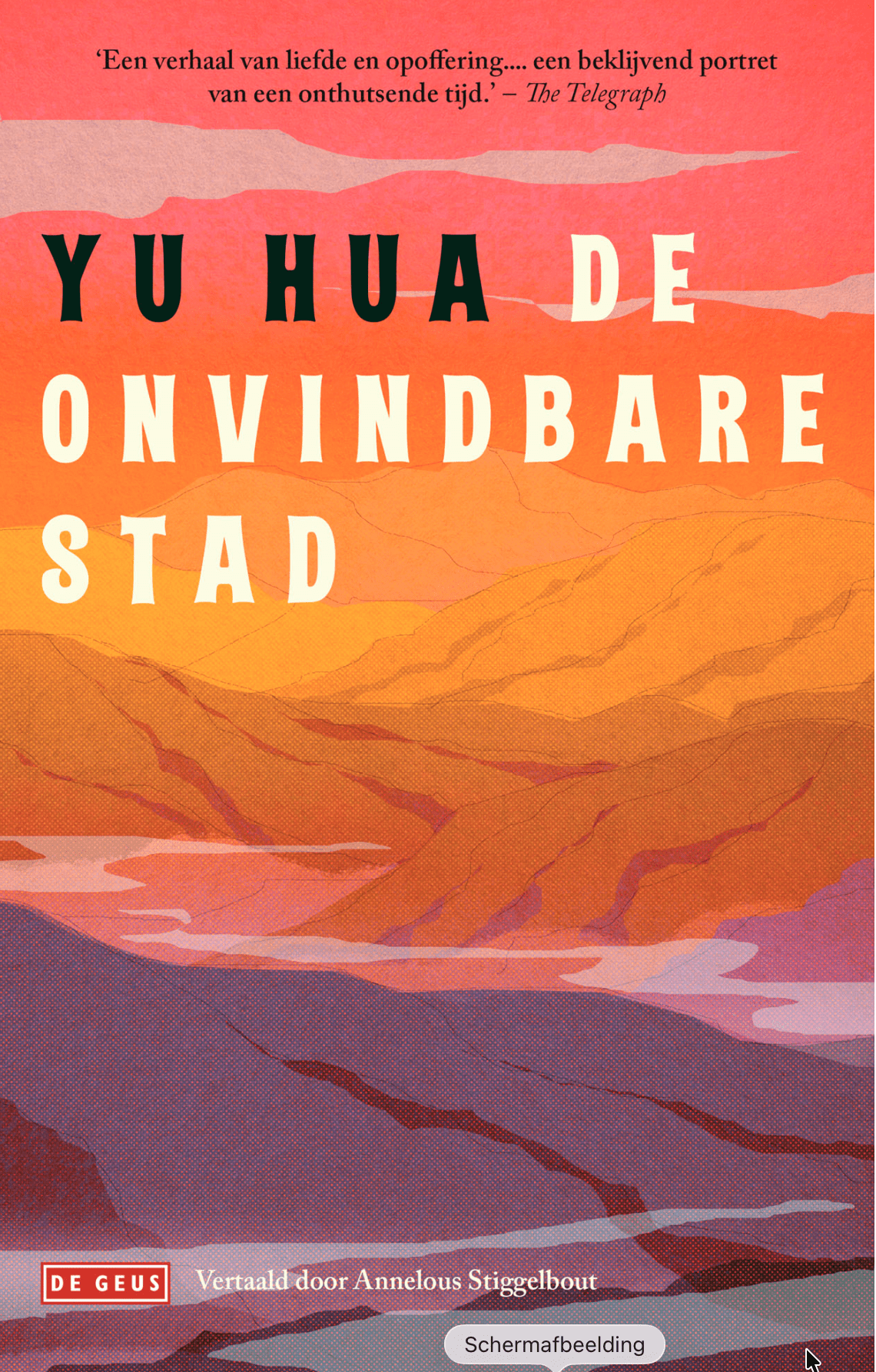
The new year, January 2026, starts with a new Yu Hua, De onvindbare stad (
The Untraceable City)
, translated by Annelous Stiggelbout.
To the pile of books by ‘one of China’s most talked-about writers’, according to the newspaper Trouw – Life, Brothers, The Blood Seller, Popping bottles, The seventh day – we can add a new acquisition. In
In De onvindbare stad
sees a silent man travel through a blizzard with a newborn baby in his arms, looking for the child’s mother and a city that isn’t there. But this is not just his story. This is a masterful novel about how life goes on even in times of war and violence, and how someone can be a good person.
Silvia Marijnissen is a literary translator of Chinese literature, of modern prose and poetry, and of classical Chinese poetry. She also writes and speaks about Chinese literature. She always writes the poem for ChinaNU+.